Why Cyclists Trust an Experienced Bicycle Accident Lawyer
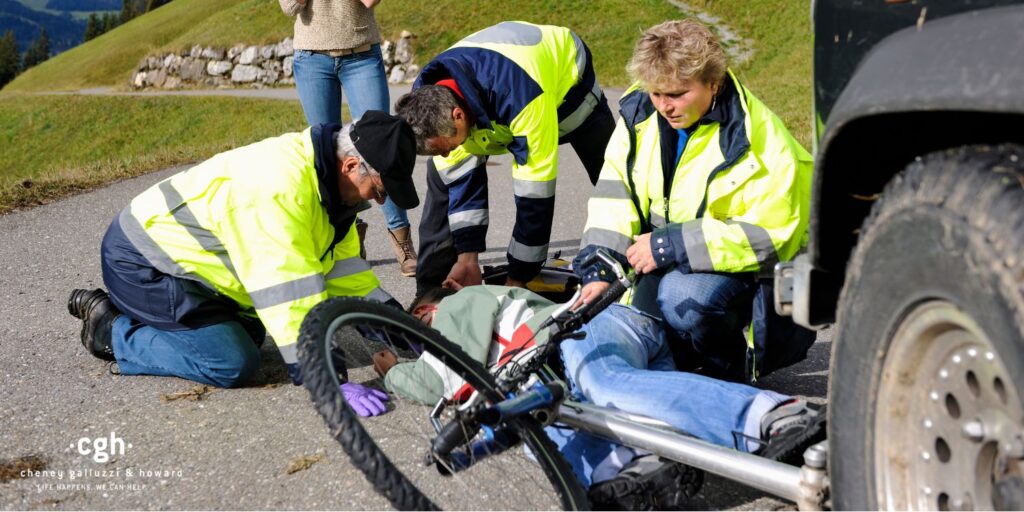
Cyclists know a simple truth that many drivers never have to learn firsthand: a crash that looks minor from a car window can change a rider’s life in seconds. A bent wheel, a cracked helmet, and a rider standing up at the scene do not tell the whole story. Soft tissue injuries can linger for months. A wrist fracture can end a livelihood for a mechanic, a dental hygienist, or a graphic designer. A concussion can scramble focus, sleep, and memory long after the bruises fade.
That gap between how a bicycle collision looks and what it actually costs is one reason riders place such a high value on legal experience. An experienced Bicycle Accident Lawyer does more than file paperwork or trade letters with an insurance adjuster. The right lawyer understands cycling itself, how crashes happen, what injuries are common, how bias shows up in claims, and why evidence disappears fast if no one moves early.
Trust is rarely built by slogans. It is earned through judgment, preparation, and a track record of seeing what others miss.
A bicycle crash is not just a smaller car crash
Insurance carriers often try to process bicycle claims through the same lens they use for routine auto collisions. That approach misses important details. Bikes do not have steel frames, airbags, headrests, or seat belts. Riders absorb force directly. The human body becomes the crumple zone.
That difference matters in both medicine and law. A rider can suffer a fractured clavicle from a low speed right hook. A dooring incident can throw someone into traffic even when the original contact seems slight. Road rash can require extensive treatment if it is deep or contaminated. A knee injury may look manageable in the first week, then reveal ligament damage once swelling settles. These are not exotic outcomes. They are common enough that a seasoned Bicycle Accident Lawyer learns to ask better questions from day one.
An experienced lawyer also recognizes the mechanics of bike collisions. The point of impact on the frame, scrape direction on a helmet, damage to brake hoods, and position of the bike after impact can all help reconstruct what happened. On a police report, the story may be condensed into a few lines. On the pavement, the details tell a richer truth.
That practical understanding matters when fault is disputed. Drivers often say they “never saw the cyclist.” Sometimes that is an admission of inattention. Sometimes it is a way to shift the narrative before witnesses speak. A lawyer who knows cycling patterns can test that claim against lane positioning, visibility, lighting conditions, traffic flow, and sight lines in a way a generalist may not.
Cyclists often face subtle bias from the first phone call
Many riders have felt it. The raised eyebrow when someone mentions they were commuting by bike. The assumption that a cyclist must have been weaving, ignoring signals, or riding unpredictably. Those assumptions can seep into police reports, witness statements, and insurance evaluations.
A skilled Bicycle Accident Lawyer expects that bias and knows how to counter it with facts instead of outrage. That is important because anger rarely persuades. Evidence does.
Consider a familiar scenario. A driver turns across a bike lane and says the cyclist was “going too fast.” What does that mean in real terms? Was the rider descending at 28 miles per hour, or traveling a normal urban pace of 14 to 18? Was the driver looking for a gap in car traffic but failing to scan the bike lane? Was there sun glare, tinted glass, or a blind spot from the A-pillar? Did the rider have a front light, reflective gear, or the right of way under local traffic law?
These questions turn a vague accusation into a measurable event. Experience matters because the lawyer knows where to look and which assumptions to challenge. A rider who handles the claim alone may feel pressure to defend cycling generally, which is almost impossible. An experienced advocate keeps the focus where it belongs, on the actual conduct of the parties involved.
The first weeks after a crash shape the entire case
Trust also grows from what experienced lawyers do early, before a claim has hardened into someone else’s version of events. In the first few days and weeks after a bicycle collision, evidence is at its most fragile. Skid marks fade. Nearby businesses overwrite camera footage. Drivers repair vehicles. Witnesses forget details or become hard to reach. Damaged bikes get thrown in garages or taken apart at shops.
This is where seasoned counsel earns their reputation. The best lawyers do not wait for an insurer to ask for proof. They build the file aggressively and methodically.
A careful early case review usually includes:
- Securing photographs of the bike, helmet, clothing, injuries, and crash scene
- Locating surveillance, traffic, or doorbell video before it disappears
- Identifying witnesses and preserving their accounts while memories are fresh
- Gathering medical records in sequence so the injury story is clear and complete
- Documenting the bicycle’s value, repairability, and any specialized equipment damaged in the crash
None of this is glamorous. It is disciplined work. Yet this is often the difference between a claim that feels speculative and one that is hard to deny.
Cyclists trust lawyers who understand that a carbon frame cannot simply be “eyeballed” for safety after impact. Hidden damage can make a bike unsafe even if the paint looks intact. A rider who races, commutes long distances, or depends on an adaptive bicycle may face losses that go well beyond a cheap repair estimate. Experienced counsel knows when to bring in a bike shop, frame specialist, or accident reconstruction expert to explain that reality.
Medical complexity is where experience pays for itself
Insurance companies like tidy injuries. A broken bone visible on an X-ray is straightforward. Bicycle injuries are often not tidy. Concussions can produce headaches, dizziness, light sensitivity, irritability, and sleep disruption without a dramatic scan. Shoulder injuries may involve tears that are not immediately obvious. Nerve symptoms in hands can interfere with gripping handlebars, typing, tools, or patient care. Psychological effects are real as well. Many riders struggle to return to traffic after a serious crash, even when they physically heal.
A seasoned Bicycle Accident Lawyer knows that medical treatment is not just about proving pain. It is about building a coherent, honest timeline. When did symptoms begin? What changed over the next 72 hours? What activities became difficult? Did the rider miss work, stop caring for children, cancel events, or give up races, club rides, or daily commuting? Real losses live in daily disruption.
That practical framing can be critical in cases where the injured cyclist looked “fine” at the scene. Adrenaline masks pain. Riders are often embarrassed, worried about blocking traffic, or determined to get home. Some even refuse an ambulance and seek treatment later. Adjusters may exploit that gap by arguing the injuries must not be serious. An experienced lawyer knows that this pattern is common and medically explainable. The case presentation can then match how injuries actually unfold, rather than how insurers prefer them to look.
There is also an important judgment call around timing. Settling too early is a classic mistake. If treatment is still evolving, if surgery is possible, or if symptoms remain unstable, the value of the case may be impossible to assess. A lawyer with experience in bicycle claims usually has the patience to wait until the medical picture is clearer. That restraint can protect a client from accepting a number that sounds decent https://cristianxsmy786.vantagequill.com/posts/what-every-injured-rider-should-ask-a-bicycle-accident-lawyer in the moment but falls short once long term effects become obvious.
Knowing cycling culture changes the representation
Some trust comes from technical skill. Some comes from feeling understood.
Cyclists live with routines and equipment choices that outsiders often misread. Clipless pedals, high pressure tires, aero helmets, cameras, bright daytime lights, and lane positioning all have practical reasons behind them. A lawyer who understands these details can speak the client’s language and avoid basic mistakes.
For instance, many riders are asked after a crash why they were not “on the sidewalk,” even in places where sidewalk riding is unsafe or illegal. Others are criticized for taking the lane when the lane was too narrow for safe side by side passing. Some face suspicion because they were in kit rather than street clothes, as if being a serious rider somehow invites harm. An experienced Bicycle Accident Lawyer can translate these realities to insurers, judges, and juries without sounding defensive.
That matters more than people realize. Cases are not won by passion alone. They are won when the decision maker understands what happened and why the cyclist’s actions were reasonable.
I have seen how small details shift a case. A rider using a flashing front light at 4:30 p.m. On a bright day may sound unusual to a non cyclist. To people who ride regularly, it is normal safety behavior. A road bike moving into the center of a lane before an intersection can look aggressive to a driver who wants to pass. In context, it may have been the safest way to avoid being squeezed during a turn. Experience helps separate unfamiliar conduct from negligent conduct.
Settlement value depends on details most people overlook
When riders hire a lawyer, they often think first about medical bills. That is understandable, but it is only part of the picture. Bicycle collision losses can be layered and expensive in ways that are easy to underestimate.
A quality road bike, e-bike, or cargo bike may cost several thousand dollars, sometimes much more. Add a helmet, shoes, cycling computer, lights, power meter, phone mount, eyewear, and clothing, and the property loss alone can be substantial. Then there is lost income. A self employed contractor who cannot lift, drive, or travel loses more than wages. They may lose clients, bookings, and momentum. A parent who commutes by bike may need rideshare services, car rentals, or replacement transportation for weeks. A competitive athlete may lose event fees, training time, and sponsorship opportunities.
Experienced lawyers understand that these cases should be documented in full rather than negotiated as if the only issue were an emergency room bill and a dented wheel. They also know which losses are likely to matter under local law and which may be harder to recover. That honest screening builds trust because clients are not promised everything under the sun. They are told where the leverage is, where the limits are, and what can be proved.
A good lawyer will also talk candidly about risk. Sometimes liability is strong but policy limits are low. Sometimes the driver is clearly at fault, yet the rider has a medical history the defense will try to exploit. Sometimes video helps on fault but the treatment course is shorter than expected, which can cap value. Trust deepens when counsel explains these trade-offs instead of overselling the case.
Negotiation is different when the other side knows your lawyer can try the case
There is a practical reason insurers take some lawyers more seriously than others. Reputation travels. Claims adjusters and defense lawyers know who prepares thoroughly, who misses deadlines, who folds early, and who is ready to put a case in front of a jury.
That does not mean every bicycle injury claim should go to trial. Many should not. Litigation is expensive, slow, and stressful. But negotiations change when the other side believes the plaintiff’s lawyer has both the skill and the willingness to go further if needed.
This is especially important in bicycle cases because adjusters sometimes undervalue them at the outset. They may assume the rider is a hobbyist with no major financial loss, or that a jury will be skeptical of cyclists. An experienced Bicycle Accident Lawyer knows how to break that assumption. The demand package is usually stronger, the evidence cleaner, and the medical presentation more credible. The result is often not drama, but leverage.
Clients notice this. They may not see every letter or phone call, but they feel the difference between a lawyer who reacts and one who sets the pace.
Good lawyers know when a case is not as strong as it feels
Another reason cyclists trust experienced counsel is that seasoned lawyers do not confuse sympathy with legal strength. A rider can be badly hurt and still face difficult liability facts. Perhaps they were descending fast in poor visibility. Perhaps they entered an intersection on a stale yellow. Perhaps there were no independent witnesses and the only video is blurry.
A trustworthy lawyer will not pretend these issues do not exist. They will explain comparative fault if it applies, describe how the defense is likely to frame the facts, and adjust strategy accordingly. Sometimes that means pursuing a reasonable settlement rather than chasing a trial fantasy. Sometimes it means declining the case. Oddly enough, candor like this often increases trust rather than reducing it. Most people can tell when they are being sold.
There is also a human side to this judgment. Injured cyclists are often frustrated, frightened, and financially stressed. They may want certainty where none exists. An experienced lawyer does not manufacture certainty. They provide structure, timing, and a realistic path forward.
The client experience matters more than many firms admit
A law firm can win cases and still lose trust if it handles clients poorly. Bicycle crashes leave people in pain, off routine, and often without reliable transportation. They need updates, responsiveness, and plain language. They do not need to be passed from intake staff to case manager to associate to partner with no clear owner.
Cyclists tend to trust lawyers who do a few simple things well:
- Return calls and emails promptly, especially when treatment or work issues change
- Explain each stage of the claim in plain English rather than legal jargon
- Prepare clients for insurer tactics, medical record scrutiny, and timeframes
- Respect that the damaged bicycle is not a toy, but a tool, vehicle, or serious investment
- Give realistic expectations about value, timing, and possible litigation
These basics sound obvious, yet they are where many relationships either hold or break. A rider does not need a speech about compassion. They need to know whether the bike should be preserved, whether they should speak to the driver’s insurer, how to document missed freelance work, and whether a lingering headache should be reported to the doctor. Competence feels reassuring because it reduces chaos.
Experience helps with the cases that do not fit the standard mold
Some of the hardest bicycle claims are not the dramatic ones with obvious facts. They are the edge cases.
A rider swerves to avoid a vehicle that drifts into the bike lane and crashes without direct contact. Another gets clipped by an opening door, then struck by a second vehicle. A delivery cyclist is injured while working and must navigate both injury liability and employment classification issues. An e-bike rider faces confusion because the adjuster does not understand the local rules governing the bike’s class or legal status. A child cyclist is hit in a neighborhood where witness accounts vary wildly. A fatal case requires careful coordination with the family, the estate, and investigators.
These matters demand more than basic claim handling. They require legal analysis, factual creativity, and often a network of experts. They also require emotional steadiness. Families and seriously injured clients remember who kept them informed, who respected the facts, and who did not turn their worst week into a script.
That is usually the core reason trust forms. Cyclists are not looking for theatrics. They are looking for someone who understands what the crash took from them, knows how these cases really work, and has the judgment to pursue the strongest result the facts allow.
What riders are really hiring when they choose experience
When cyclists hire an experienced Bicycle Accident Lawyer, they are not just buying legal documents or negotiation time. They are hiring pattern recognition. They are hiring someone who knows which emergency room notes may be misread later, which photos matter, when a bike needs expert inspection, how driver narratives tend to shift, and why an apparently modest crash can carry major consequences.
They are also hiring a buffer against common mistakes. Saying too much to an insurer. Posting about “feeling lucky” on social media while still in pain. Repairing or discarding a damaged bike before it is documented. Settling before the medical story is complete. Missing a notice deadline. Trust often grows because experienced counsel prevents damage as much as they pursue recovery.
There is no magic title that guarantees quality. Plenty of firms advertise aggressively and handle bicycle claims as a sideline. Riders tend to notice the difference quickly. The lawyers who earn lasting trust are the ones who ask smart questions, understand cycling without romanticizing it, and treat each file like a real event in a real person’s life.
After a serious crash, that combination matters. The rider needs more than sympathy. They need someone who can turn a messy, painful, often biased situation into a clear, documented, persuasive case. That is why experience carries so much weight, and why so many cyclists place their confidence in a lawyer who has been down this road before.
CGH Injury Lawyers
2701 Lawrence St Suite 201
Denver, CO 80205, United States
Phone: +1 720-669-8062
FAQ About Bicycle Accident Lawyer
Who is at fault if a car hits a bicycle?
Fault depends on the evidence and the traffic rules that applied to the collision. A driver, cyclist, or another party may share responsibility. Police reports, witness accounts, video, and the physical evidence can help establish what happened. A collision with a car does not automatically determine legal fault.
Can you sue someone for hitting you on a bike?
You may have a claim when another person's negligent conduct causes your injuries and losses. The available evidence, applicable deadlines, insurance coverage, and any shared fault affect your options. A lawyer can review the circumstances and explain whether an insurance claim or lawsuit is appropriate; compensation is not guaranteed.
What percentage does an injury lawyer usually take?
There is no single percentage that applies to every injury case. Many lawyers use a contingency fee based on a share of the recovery, with the terms stated in a written agreement. Ask how the percentage is calculated, whether it changes during litigation, and how case expenses are handled before signing.